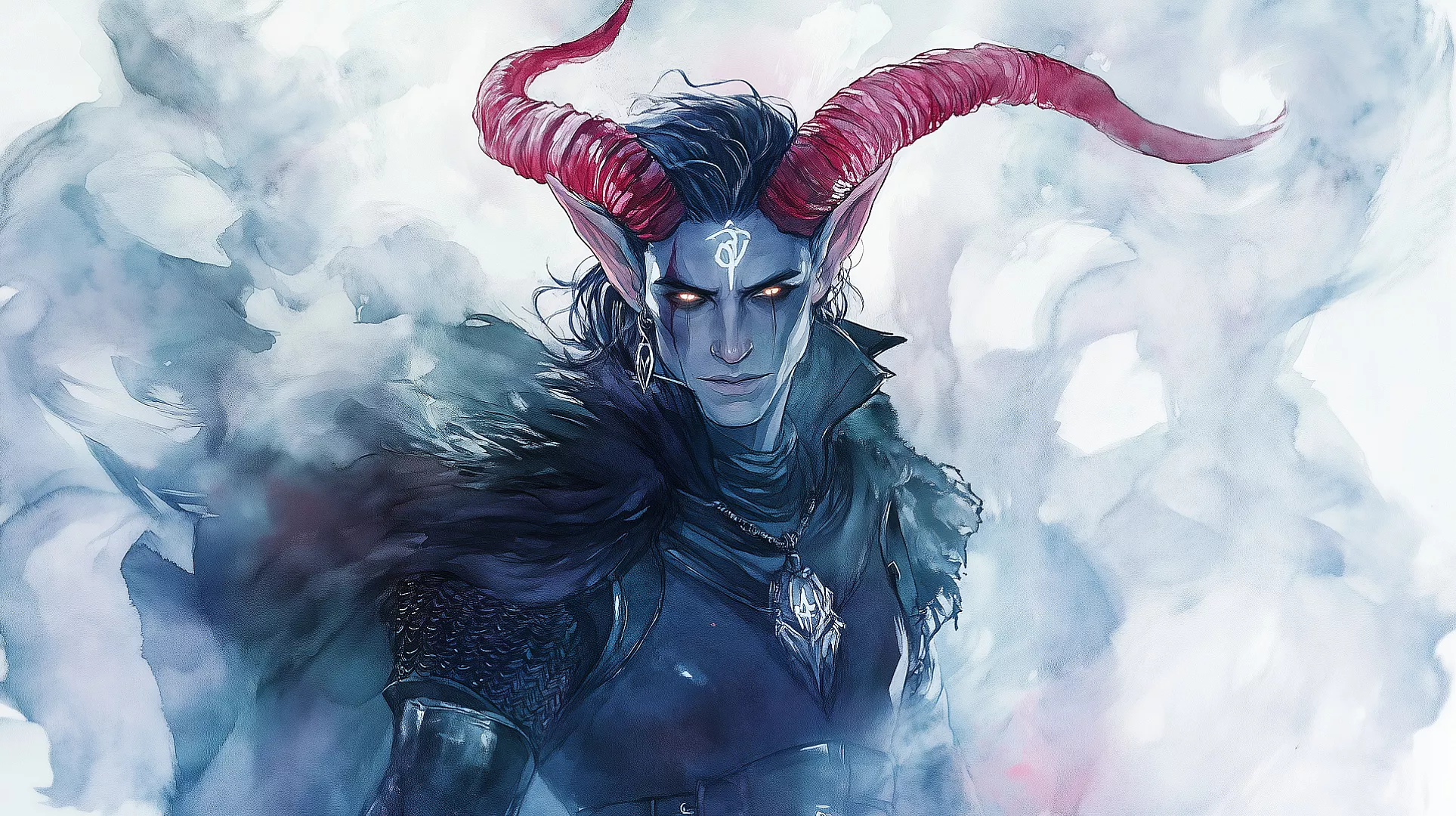
Tieflings possess an innate ability to inspire both fear and fascination, largely due to their striking appearance and complex heritage. However, it's their names that truly encapsulate the duality of their nature, serving as a linguistic bridge between their mortal roots and fiendish ancestry.
Tieflings are the descendants of humans who made dark pacts with fiendish powers, resulting in a race marked by their demonic ancestry. This infernal touch manifests not only in their physical appearance but also in the names they bear.
Infernal Legacy
Tieflings trace their lineage back to the ancient empire of Bael Turath, where ambitious nobles struck bargains with Asmodeus, the lord of the Nine Hells. This pact imbued their bloodline with fiendish power, forever altering their descendants. In the current age of D&D 5e, tieflings are a testament to this dark heritage, bearing physical traits that mark them as different from their human ancestors.
Physical Characteristics
Large, distinctive horns (varying in shape from ram-like curls to straight gazelle-like protrusions)
Thick, prehensile tails (4-5 feet long)
Sharply pointed canine teeth
Solid-colored eyes (often red, gold, silver, black, or white) without visible pupils
Skin tones ranging from human colors to various shades of red
Dark hair (black, brown, dark red, blue, or purple) growing behind their horns
These striking features often elicit fear and mistrust from other races, leading to a life of challenges and prejudice for many tieflings.
Tiefling Traits in D&D 5e
When creating a tiefling character, players can expect the following racial traits:
Ability Score Increase: Intelligence +1, Charisma +2
Age: Mature at the same rate as humans but live slightly longer
Size: Medium, similar to humans
Speed: Base walking speed of 30 feet
Darkvision: Superior vision in dark and dim conditions (60 feet)
Hellish Resistance: Resistance to fire damage
Infernal Legacy: Access to thaumaturgy cantrip, hellish rebuke (at 3rd level), and darkness (at 5th level)
Languages: Can speak, read, and write Common and Infernal
These traits make tieflings particularly well-suited for charisma-based classes like Warlocks, Sorcerers, and Bards, though their intelligence bonus also lends itself well to Wizards and Artificers.
Society and Culture
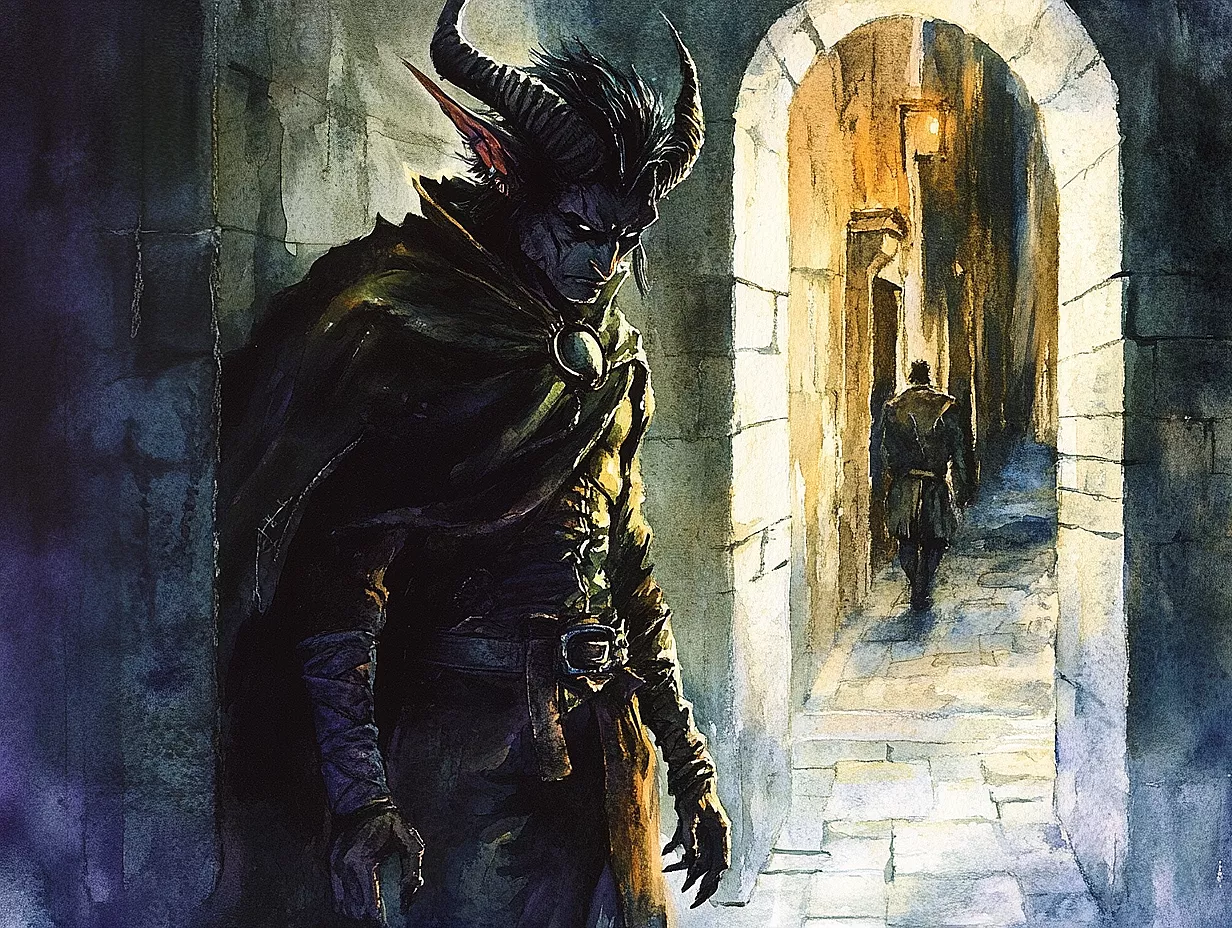
Tieflings often find themselves on the fringes of society, living in small, marginalized communities within human cities. This outsider status has led many tieflings to develop a strong sense of self-reliance and a fierce loyalty to those who earn their trust. Some turn to less savory professions, becoming skilled thieves or crime lords, while others strive to prove their worth through noble deeds and heroic actions.
Despite the prejudice they face, tieflings are not inherently evil. Their infernal heritage influences their appearance but not their moral compass. Many tieflings actively work to overcome the stereotypes associated with their race, forging their own paths and identities separate from their ancestral curse.
Traditional Tiefling Naming
Tiefling names are as diverse and complex as their heritage. They generally fall into three categories:
Cultural Names: Derived from the society they're born into, often human in origin.
Infernal Names: Reflecting their fiendish heritage, these names often have a dark, otherworldly quality.
Virtue Names: Self-chosen names representing ideals or concepts the tiefling aspires to embody.
This naming convention allows tieflings to express their individuality and their relationship with their heritage. Some embrace their infernal roots with names that evoke power and darkness, while others choose names that represent their personal values or aspirations.
100 Tiefling Names for Your Next Character
To inspire your next tiefling character, here's a comprehensive list of 100 names across all three naming conventions:
Asmodeus
Lilith
Zariel
Mephistopheles
Belphegor
Abraxas
Dispater
Glasya
Levistus
Mammon
Fierna
Belial
Titivilus
Hutijin
Baalzebul
Amduscias
Nergal
Bael
Asteroth
Geryon
Moloch
Alloces
Focalor
Phenex
Barbatos
Astaroth
Malphas
Malphus
Orobas
Seere
Andras
Andrealphus
Crocell
Forneus
Raum
Halphas
Furfur
Marchosias
Stolas
Leraje
Eligos
Naberius
Glasya-Labolas
Bune
Ronove
Berith
Astaroth
Foras
Asmoday
Gaap
Furfur
Marchosias
Stolas
Phenex
Halphas
Malphas
Raum
Focalor
Vepar
Sabnock
Shax
Vine
Bifrons
Uvall
Haagenti
Crocell
Furcas
Balam
Alloces
Caim
Murmur
Orobas
Gremory
Ose
Amy
Orias
Vapula
Zagan
Valac
Andras
Flauros
Andrealphus
Kimaris
Amduscias
Beleth
Decarabia
Seere
Dantalion
Andromalius
Courage
Destiny
Faith
Honor
Justice
Liberty
Mercy
Patience
Prudence
Temperance
Valor
Unique Name Generator
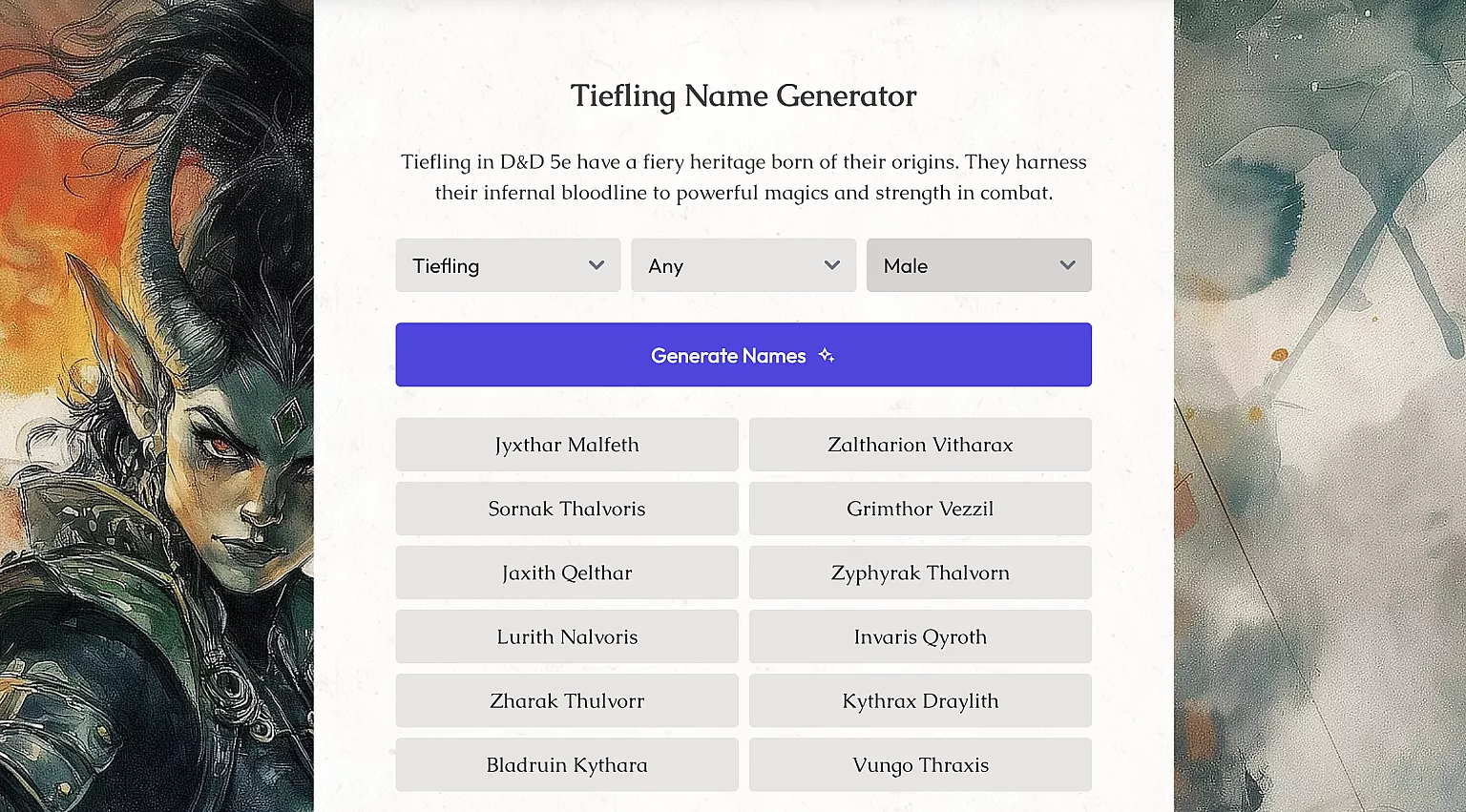
If something more unique and fantasy-esque takes your fancy, DndPlaybook has a name generator that'll let you generate thousands of potential Tiefling names.
Whether you choose a name steeped in infernal lore or one that represents a virtuous ideal, your tiefling's name will be a crucial part of their identity. It can reflect their struggles, aspirations, or the duality of their nature – caught between the mortal world and their fiendish heritage.
In conclusion, tieflings offer a unique roleplaying experience in D&D 5e. Their complex history, striking appearance, and diverse naming conventions provide rich material for character development. Whether you're drawn to their darker aspects or see them as a chance to subvert expectations, playing a tiefling can be a rewarding and thought-provoking experience. So go forth, choose a name that resonates with your character concept, and let your tiefling's story unfold in the vast realms of D&D.
Remember, in the world of Dungeons & Dragons, it's not your heritage that defines you, but the choices you make and the adventures you pursue. Your tiefling's name is just the beginning of their journey – the rest is up to you to discover.
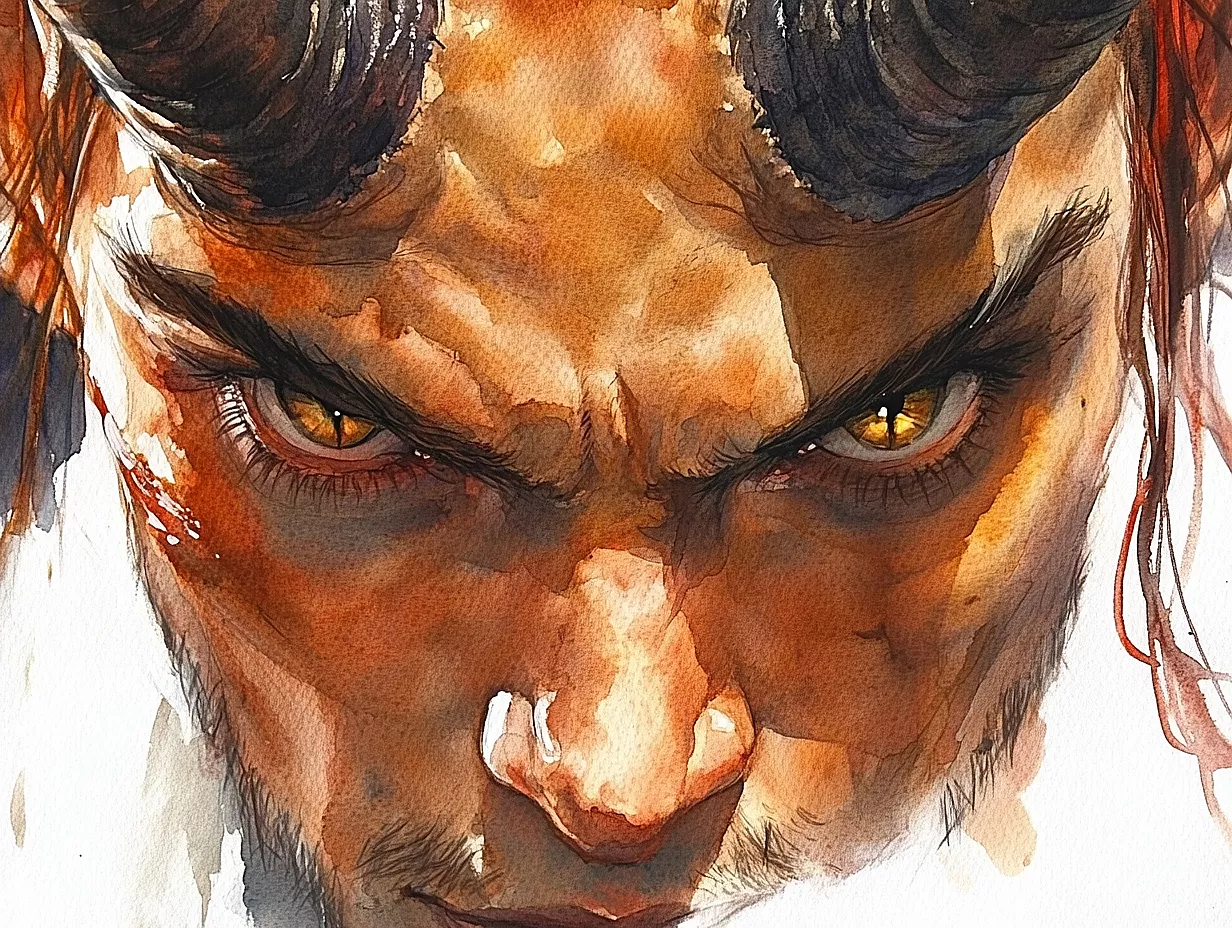
Embracing your Infernal Legacy
In the realm of D&D, a tiefling's name is more than mere identification — it's a declaration of identity, a nod to heritage, or a beacon of aspiration. Whether drawn from infernal roots, cultural origins, or chosen virtues, these names offer players a powerful tool for character development and storytelling.
As you embark on your next D&D adventure, consider the weight and meaning behind your tiefling's name. Will you embrace the darkness of your lineage or strive to forge a new legacy? The choice is yours, and it begins with a name. Remember, in the world of roleplaying, it's not just what you're called, but what you answer to that defines your character's journey.